
Deciding how much to pay a babysitter for one child is relatively straightforward, but when you’re looking for care for 2, 3, or more children, budgeting can feel a bit more complex.
The reality is that babysitting rates for multiple children aren't based on a single formula. Many babysitters charge more to care for two or three children than they do for one, but the exact rate depends on factors like your location, your children's ages, the responsibilities involved, and the sitter's experience.
If you're wondering how much you should pay a babysitter for multiple kids, here's what current babysitting market data tells us.
Start with the sitter's base rate
Many babysitters set their starting rate based on caring for one child. According to UrbanSitter's 2026 Babysitting Rate Survey, the national average babysitting rate for one child is $26.24 per hour*, $29.87 per hour for two children*, and $32.33 per hour for three children.*
For jobs with multiple children, many caregivers adjust their rates to reflect the increased responsibility. This is because caring for multiple children means managing different personalities, schedules, routines, and needs at the same time. It's not necessarily twice the work, but it is more responsibility. Use the guide below to help you estimate what the cost might be for a sitter for multiple children in your area.
Average babysitting rates for multiple children
UrbanSitter's 2026 survey found that families paid an average of $3.63 more per hour when hiring a babysitter for two children compared to one child.* The average hourly rates by number of children from the survey are shown below.
| Number of children | National average hourly rate |
| 1 child | $26.24 |
| 2 children | $29.87 |
Remember: this is national average data. The exact increase depends on factors such as the children's ages, responsibilities, and local market conditions. The key takeaway is that most sitters don't simply multiply their rate by the number of children. Instead, they adjust rates based on the overall level of care required.
Regional differences can impact rates
Location plays a significant role in babysitting costs. According to UrbanSitter's 2026 Babysitting Rate Survey, families in larger metropolitan areas generally pay higher rates than those in smaller or lower-cost markets. The survey also shows that rates typically increase when a babysitter is caring for more than one child.* The results of the survey are shown below.
Estimated average babysitting rates by city (based on UrbanSitter's 2026 survey*)
| City | 1 Child | 2 Children |
| San Francisco | $29.63/hr | $33.70/hr |
| New York City | $26.03/hr | $28.77/hr |
| Seattle | $27.70/hr | $30.79/hr |
| Boston | $25.52/hr | $27.78/hr |
| Los Angeles | $26.11/hr | $29.22/hr |
| Chicago | $22.21/hr | $25.83/hr |
| Dallas | $19.25/hr | $22.58/hr |
| Atlanta | $20.78/hr | $23.74/hr |
| Houston | $21.69/hr | $23.68/hr |
| Charlotte | $23.56/hr | $28.67/hr |
Families in larger metropolitan areas may see higher rates because of cost of living and demand for caregivers. That's why comparing your rate to a national average is only a starting point. A more useful comparison is what babysitters are charging in your area.
Factors that can play a role
Children's ages: Infants and toddlers typically require more hands-on care than school-age children.
Time of day: Late-night, overnight, holiday, or last-minute requests may command higher rates.
Transportation needs: Driving children to activities, appointments, or events can affect compensation.
Homework help: Some families look for sitters who can provide educational support.
Meal preparation: Preparing meals and snacks may increase rates.
Bedtime routines: Managing multiple bedtime schedules can add complexity to the job.
Special needs or medical considerations: Additional training or experience may influence rates.
A sitter showing up after dinner for a movie night is a very different job than one handling school pickup, dinner, baths, homework, and bedtime for three kids, even if the hours look the same on paper.
Not all jobs are created equal
Your rate estimate may change based on your specific situation. Consider these scenarios.
Scenario 1: Two elementary-age kids
The children are 8 and 10 years old. These two can pour their own cereal, use the bathroom without help, and keep themselves entertained between dinner and bedtime. Your sitter is mostly there to supervise, make sure homework gets done, and wrangle them toward bed at a reasonable hour. It's a lower-intensity job, and rates usually reflect that.
Scenario 2: A toddler and a newborn
This one's a different story. We're talking diaper changes, bottles, nap schedules, a toddler who has opinions about everything, and a newborn who is essentially a velcro baby. The physical and mental load is significantly higher and sitters know it. Expect rates to reflect that too.
Make sure your sitter is comfortable with the whole crew
Caring for multiple children at once requires its own skill set. A sitter who's great with one calm toddler may feel differently about managing a 2-year-old, a 5-year-old, and a homework-resistant 8-year-old at the same time. Before booking, it's worth confirming that your sitter is genuinely comfortable with the number and ages of kids in your home.
On SitterTree, you can see the maximum number of children a sitter has cared for at once directly on their profile—a quick way to make sure your household isn't more than they've taken on before.
Negotiating rates
If a sitter’s rate is higher than your budget, it doesn't mean it can’t work out. Sitters set their rates based on experience, qualifications, availability, and what the local market looks like. But if the number doesn't work for you, you can respectfully negotiate.
You can try something like: "Our budget is closer to $25/hour for this one, would that work for you?" Sometimes the answer is yes, and other times the sitter can’t make it work. Either way, being clear and kind helps maintain the relationship for future needs.
Hourly rate is just one piece
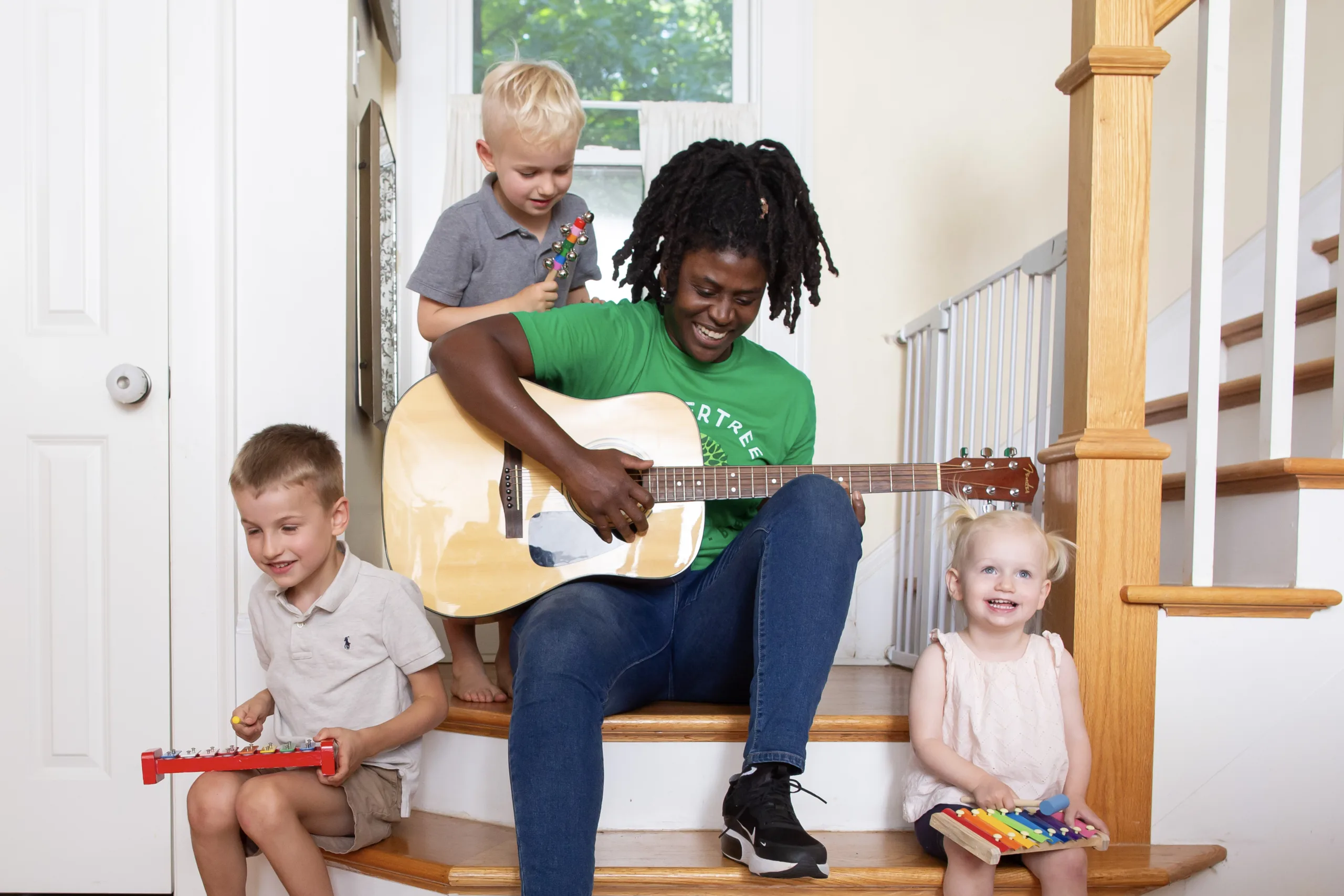
When comparing sitters, it's easy to get hung up on the rate. After all, child care can make a big impact on your family’s budget. But every parent knows reliability, communication, and genuine connection matter just as much as cost—if not more. A sitter who shows up on time, keeps you in the loop, and actually earns your children's trust is worth a lot, even if they're not the lowest rate in your search results.
Looking for a babysitter?
Whether you need someone to handle pick up and dinner for school-age kids, regular care for a house full of littles, or an extra set of hands so you can enjoy date night, SitterTree makes it easy to connect with caregivers who are comfortable working with multiple children.
Browse profiles, review experience and ratings, and connect with babysitters who fit your family's child care needs.
Sources
* UrbanSitter 2026 Babysitting Rate Survey, https://www.urbansitter.com/babysitting-rates/
Rates shown in this article are based on UrbanSitter's published 2026 survey data. Actual babysitting rates vary based on location, caregiver experience, job responsibilities, availability, and agreements between families and caregivers.
The information in this article is intended as general guidance and does not constitute professional financial or employment advice. Babysitting and nanny rates and compensation structures vary widely by location and individual circumstances. SitterTree is not responsible for outcomes resulting from rate negotiations between caregivers and families.